roofers
How Much Does Roof Replacement Cost in Denver, CO? (2026)
Roof replacement in Denver, CO runs $14,000 to $24,000 for asphalt shingles. Class 4 hail upgrades, metal and tile prices, insurance deductibles, and roofer checks.
In This Article
How Much Does Roof Replacement Cost in Denver, CO? (2026)
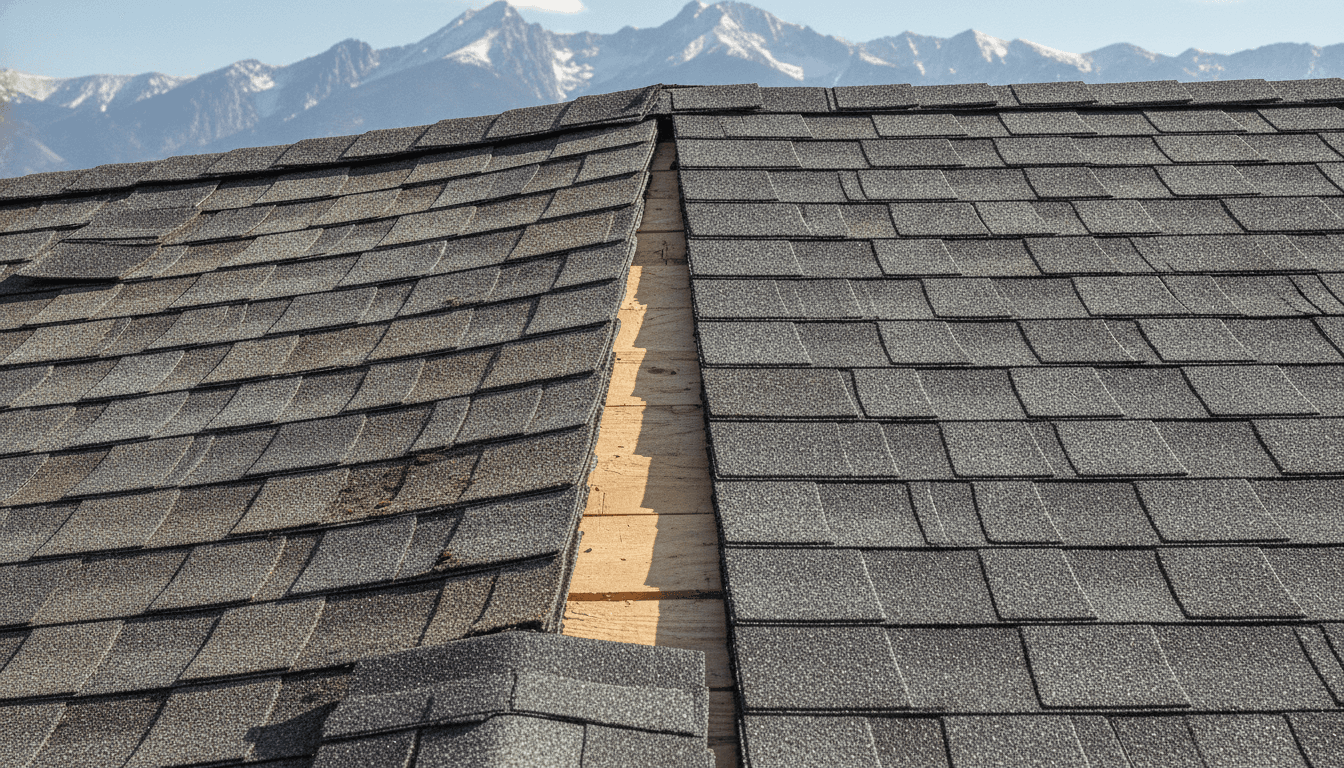
Replacing an asphalt shingle roof on a typical Denver home costs $14,000 to $24,000 right now, or $5.50 to $9.50 per square foot installed. A 1,800 square foot ranch in Arvada with a simple gable roof lands near the bottom, and a two-story in Highlands Ranch or Central Park with multiple hips, valleys, and a steep pitch lands near the top. Class 4 impact-resistant shingles, which most Denver homeowners now choose because of hail, add $1,500 to $4,000 to those figures.
Hail is why Denver roofs get replaced more often than roofs almost anywhere else in the country. The Front Range sits in the most active hail corridor in the United States, and a single storm in June can total tens of thousands of roofs from Castle Rock to Fort Collins. That means most Denver roof replacements are insurance claims, and the way the claim is handled changes what the homeowner pays out of pocket more than the roofer's price does.
This guide covers material costs, what drives the number up, how the insurance process works here, and how to pick a roofer in a market full of storm chasers. It also covers the timing question, because when you replace a Denver roof changes the price almost as much as what you put on it.
Asphalt Shingle Costs by Home Size and Complexity
Roofers price in squares, and a square is 100 square feet. Denver installers charge $550 to $950 per square for architectural asphalt shingles, tear-off and disposal included. A 20-square roof runs $11,000 to $19,000, and a 30-square roof runs $16,500 to $28,500.
Pitch and complexity move the price inside that range. A walkable 4:12 or 5:12 pitch on a ranch is the cheapest to work on, while an 8:12 or steeper roof on a two-story in Parker or Broomfield adds 15 to 30 percent for safety equipment and slower labor. Every valley, dormer, skylight, and chimney adds flashing work and time.
Layers matter too. Denver code allows two layers of shingles, but most insurance carriers and roofers now insist on a full tear-off. Removing two layers instead of one adds $1 to $2 per square foot.
Decking replacement is the common surprise. Older homes in Park Hill, Washington Park, and Wheat Ridge often have plank decking or delaminated plywood, and replacing sheets runs $70 to $120 each. A roof that needs 10 sheets replaced adds $700 to $1,200.
Impact-Resistant Shingles and Other Materials
Class 4 impact-resistant shingles are rated to withstand a two-inch steel ball dropped from 20 feet without cracking. They cost $30 to $60 more per square than standard architectural shingles in Denver, which adds $1,500 to $4,000 to a typical roof. Most Colorado insurers offer a premium discount of 5 to 30 percent for Class 4 roofs, and that discount usually pays back the upgrade within a few years.
Metal roofing runs $12 to $20 per square foot installed in Denver, or $22,000 to $40,000 on a typical home. Standing seam handles hail better than shingles, though large hail can still dent it, and some insurers treat cosmetic denting differently. Metal is common in the foothills and on mountain-style homes in Evergreen and Conifer and growing in the city.
Concrete and clay tile run $15 to $25 per square foot and appear on some homes in Cherry Hills and the Denver Tech Center area. Tile survives hail poorly and is expensive to repair, and many homeowners replace it with Class 4 shingles when the insurance claim allows.
Synthetic slate and shake, made from polymer, run $12 to $18 per square foot and carry Class 4 ratings. They are a mid-price option for homeowners who want the look of a higher-end roof with hail resistance.
How Hail Claims Work in Denver
Most Denver roof replacements start with a storm. After hail, the homeowner calls the insurer, an adjuster inspects the roof, and the carrier issues an estimate based on the damage. If the roof is totaled, the carrier pays the replacement cost minus the deductible, often in two payments: the actual cash value up front and the depreciation holdback after the work is done.
Deductibles are the out-of-pocket cost. Many Colorado policies now carry a separate wind and hail deductible of 1 to 2 percent of the home's insured value, and on a home insured for $550,000 a 2 percent deductible is $11,000, which is most of the cost of a shingle roof. Homeowners should read their declarations page before assuming a claim will cover nearly everything.
Colorado law prohibits roofers from paying or waiving the deductible, and a roofer who offers to do so is breaking the law and putting the homeowner at risk of insurance fraud. The same law requires roofers to give homeowners a written contract with a right to cancel within 72 hours if the insurer denies the claim.
Upgrades beyond the insurer's scope are the homeowner's cost. If the carrier pays for standard shingles and the homeowner wants Class 4, the difference comes out of pocket, though some carriers now pay for Class 4 outright because it lowers their future risk.
Ventilation, Gutters, and the Add-Ons That Show Up on Quotes
Attic ventilation is the add-on Denver roofers push most, and they are usually right. Ridge vents and intake vents run $400 to $1,200 on a typical home and extend shingle life by keeping the attic cooler in summer. Many manufacturer warranties require adequate ventilation, so it is not just an upsell.
Ice and water shield along eaves and in valleys is required by code in Denver and most Front Range cities, and it should appear on every quote. Synthetic underlayment over the rest of the deck adds $300 to $700 compared with felt and is worth it in a climate with freeze-thaw cycles.
Gutters often get replaced at the same time because hail dents them and the roofer already has the crew on site. New seamless aluminum gutters run $8 to $15 per linear foot in Denver, or $1,500 to $3,000 on most homes, and insurance claims frequently cover them alongside the roof.
Skylight replacement is the other common line. Older skylights leak once the roof around them is disturbed, and swapping one during the roof job runs $600 to $1,500 each, far cheaper than doing it separately later.
Timing and Availability Along the Front Range
Hail season runs from May through August, and the weeks after a major storm are the worst time to need a roofer. Established Denver companies book out four to eight weeks after a big event, and prices firm up because material demand spikes across the whole metro.
September through November is the best window for a non-claim replacement. Temperatures are right for shingle sealing, crews are less slammed, and companies are more willing to negotiate. Winter installs happen but depend on the weather, because shingles need warm days to seal and snow shuts down work.
Material costs have risen 20 to 30 percent over the past few years, and a quote from two years ago is no longer accurate. Roofers generally hold a written quote for 30 days.
Permits are required in Denver and every surrounding jurisdiction. Fees run $150 to $500 depending on the city and the roof value, and the roofer pulls the permit and schedules the final inspection.
Choosing a Roofer in a Storm-Chaser Market
Denver draws out-of-state roofing crews every hail season, and they knock on doors across Aurora, Thornton, and Centennial within days of a storm. Some are legitimate, but a large share of complaints to the Colorado Attorney General involve companies that collected deposits and left, or installed roofs that failed within two years.
Colorado does not license roofers at the state level, so the checks are local. Confirm the company has a Denver contractor license or the equivalent in your city, a physical office in the metro, and general liability and workers compensation insurance. Ask how many years they have operated under the same name.
Get three written quotes that list the shingle brand and line, the underlayment, ice and water shield placement, ventilation changes, decking replacement price per sheet, and the warranty. Comparing the roofing companies serving Denver and the Front Range on those specifics separates real bids from door-knock quotes.
Ask about manufacturer certifications. GAF, Owens Corning, and CertainTeed each certify installers, and certified companies can offer extended manufacturer warranties that cover labor as well as materials. For more on hail claims and hiring contractors in Colorado, our other home services guides go deeper.
Frequently Asked Questions
How much does a new roof cost in Denver per square foot?
Architectural asphalt shingles run $5.50 to $9.50 per square foot installed, including tear-off and disposal. Class 4 impact-resistant shingles add $0.30 to $0.60 per square foot, and metal runs $12 to $20.
Does insurance pay for a new roof in Colorado after hail?
If the adjuster finds enough damage to total the roof, the policy pays replacement cost minus the deductible. Many Colorado policies carry a 1 to 2 percent wind and hail deductible, which can mean $5,000 to $12,000 out of pocket.
Are Class 4 shingles worth it in Denver?
Yes for most homeowners. The upgrade costs $1,500 to $4,000, insurance discounts of 5 to 30 percent recover that within a few years, and the roof is far more likely to survive the next storm without a claim.
How long does a roof replacement take in Denver?
One to two days for a typical shingle roof once the crew is on site. Scheduling is the longer part, with four to eight week waits after a major hail event and one to three weeks in the fall.
Can a roofer waive my deductible in Colorado?
No. Colorado law prohibits roofers from paying, waiving, or rebating an insurance deductible, and any company that offers to is a warning sign. The same law gives homeowners 72 hours to cancel a roofing contract if the insurance claim is denied.